Every building has two versions of itself.
The daytime version is the one everyone notices. Doors opening, deliveries arriving, chairs scraping across tiled floors, someone somewhere dropping a saucepan that echoes briefly through the stairwell.
Then night arrives and the building changes character.
In ours, the difference is easiest to hear from the courtyard.
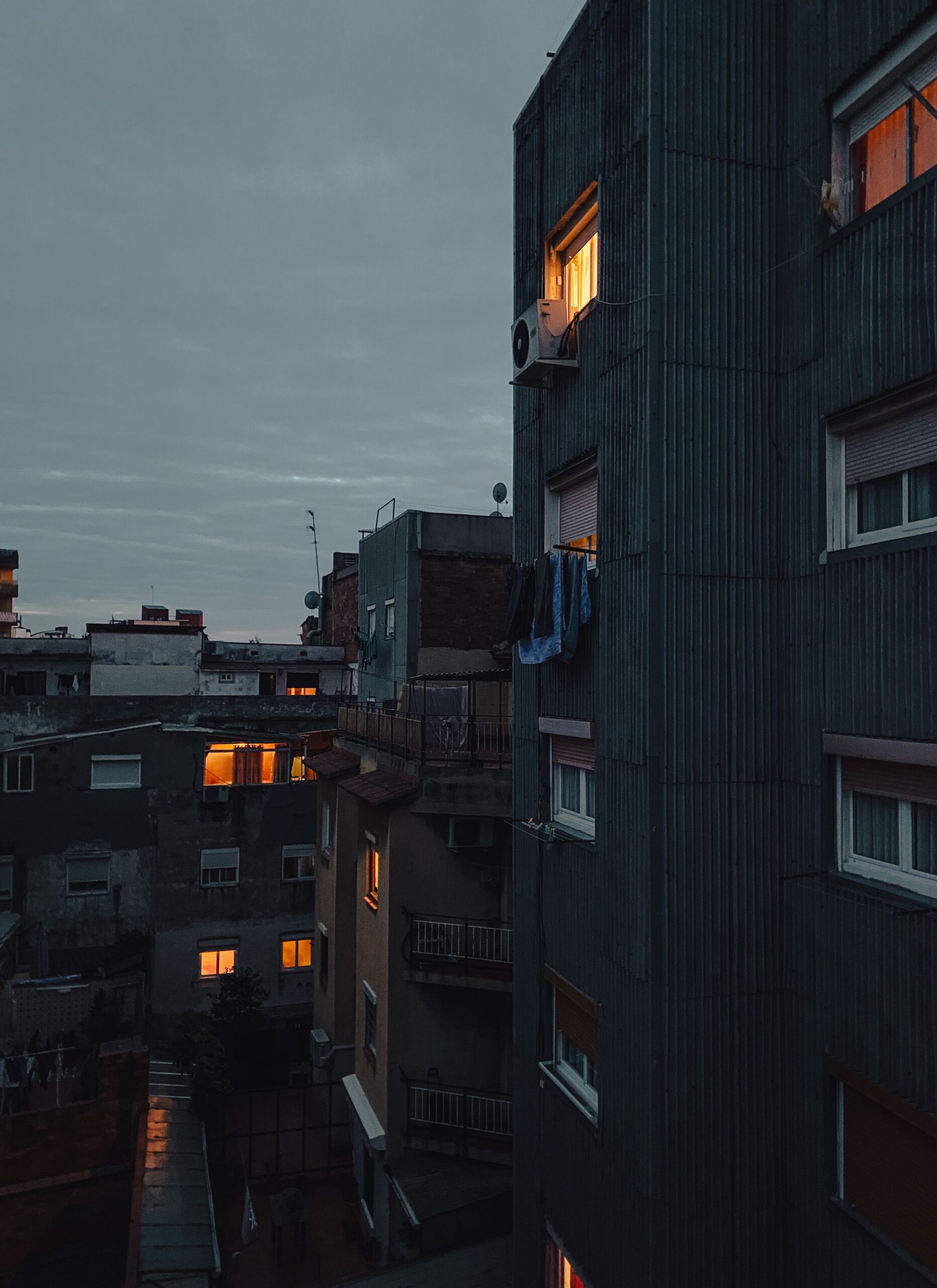
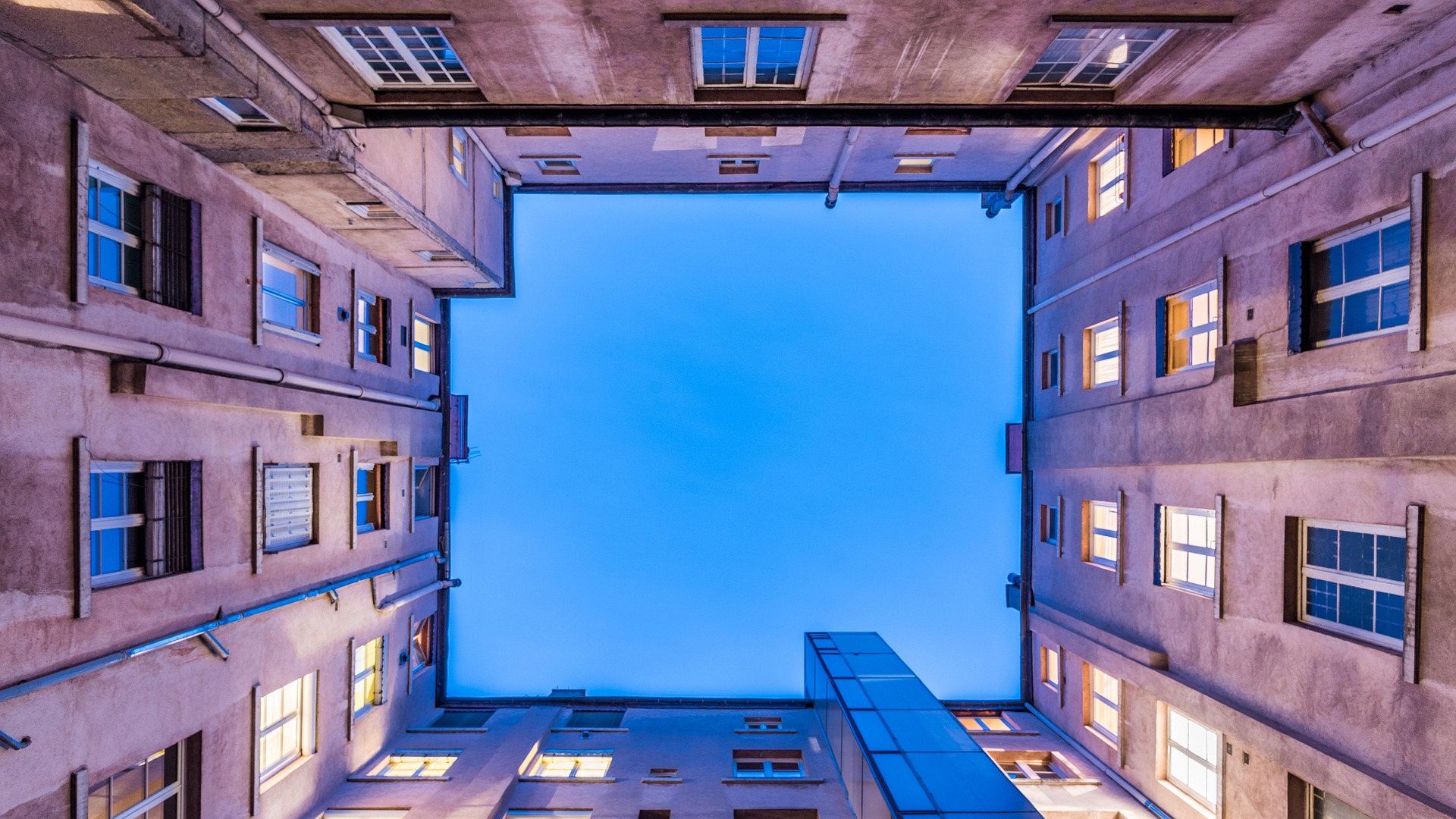
During the day it’s just a narrow shaft of light between walls. Laundry lines stretched across balconies, a few stubborn plants leaning toward the sun, the quiet mechanical hum of air conditioners mounted at slightly different heights.
Nothing remarkable.
But once the street noise fades the courtyard begins to behave differently.
Sounds travel further than they should.
A conversation from two floors above drifts downward as if the people were standing much closer. A glass placed on a kitchen counter somewhere above sends a sharp click through the space before disappearing again.
The walls are close together and almost everything is hard surface: brick, plaster, tile. There’s very little to absorb the echoes.
Older apartment blocks were designed this way partly to move air through the building, but the same design turns courtyards into strange little sound chambers after dark.
You start noticing things you would normally miss.
The neighbour upstairs who fills the kettle late at night. Someone sliding a chair across a balcony. The soft metallic knock of a window shutter being lowered somewhere above.
It’s a small reminder that buildings aren’t just collections of separate apartments.
They behave like shared systems.
I noticed something similar when thinking about the difference between older Barcelona buildings and the newer glass towers that have appeared along the coast, something I wrote about earlier in Glass Boxes That Roast People Alive. Modern towers tend to seal everything behind glass and mechanical ventilation.
Older buildings remain slightly more open.
Air moves through them.
Sound does too.
Which is why the courtyard becomes strangely alive at night, even when nobody is deliberately making noise.
A single laugh from a balcony, the quiet clink of dishes being washed, a window closing somewhere above.
Small sounds that drift upward through the centre of the building before disappearing again.
For a moment it feels as if the whole structure is listening.
Then the courtyard goes quiet, and the building settles back into its nighttime rhythm.