Every building has one door people treat badly.
Not deliberately. Nobody wakes up in the morning thinking about doors they intend to mistreat. But somehow one particular door ends up absorbing all the impatience of daily life.
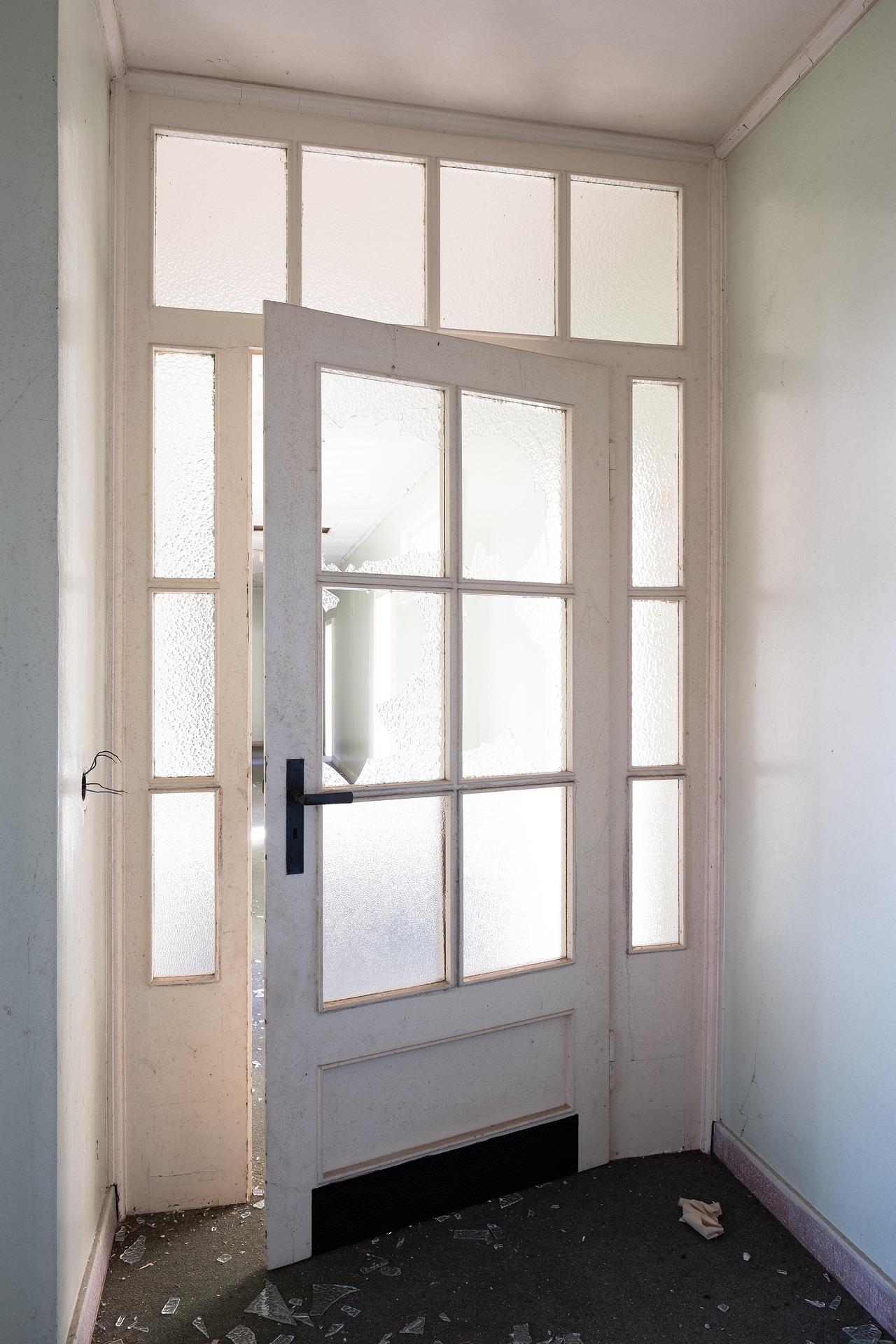
In our building it’s the heavy wooden door between the stairwell and the corridor on the second floor.
You hear it from inside the apartment sometimes. A deep thud followed by the brief rattle of the frame settling back into place.
The strange thing is that the door isn’t actually difficult to close quietly. If you hold it for half a second it settles into the latch almost politely. But very few people do.
Most residents push it open with their shoulder and let it swing back behind them while they keep walking.
Thud.
After a while you start noticing patterns. The morning post delivery always sets it off twice. Someone leaving early for work usually forgets. Late at night the sound echoes further because the building is otherwise silent.
It’s the kind of small behaviour nobody mentions in meetings.
But everyone recognises it.
One evening I ran into Pepi on the landing just after the door had slammed again.
She looked up at the frame as if the building itself had made the noise.
“These doors were built before people rushed everywhere,” she said.
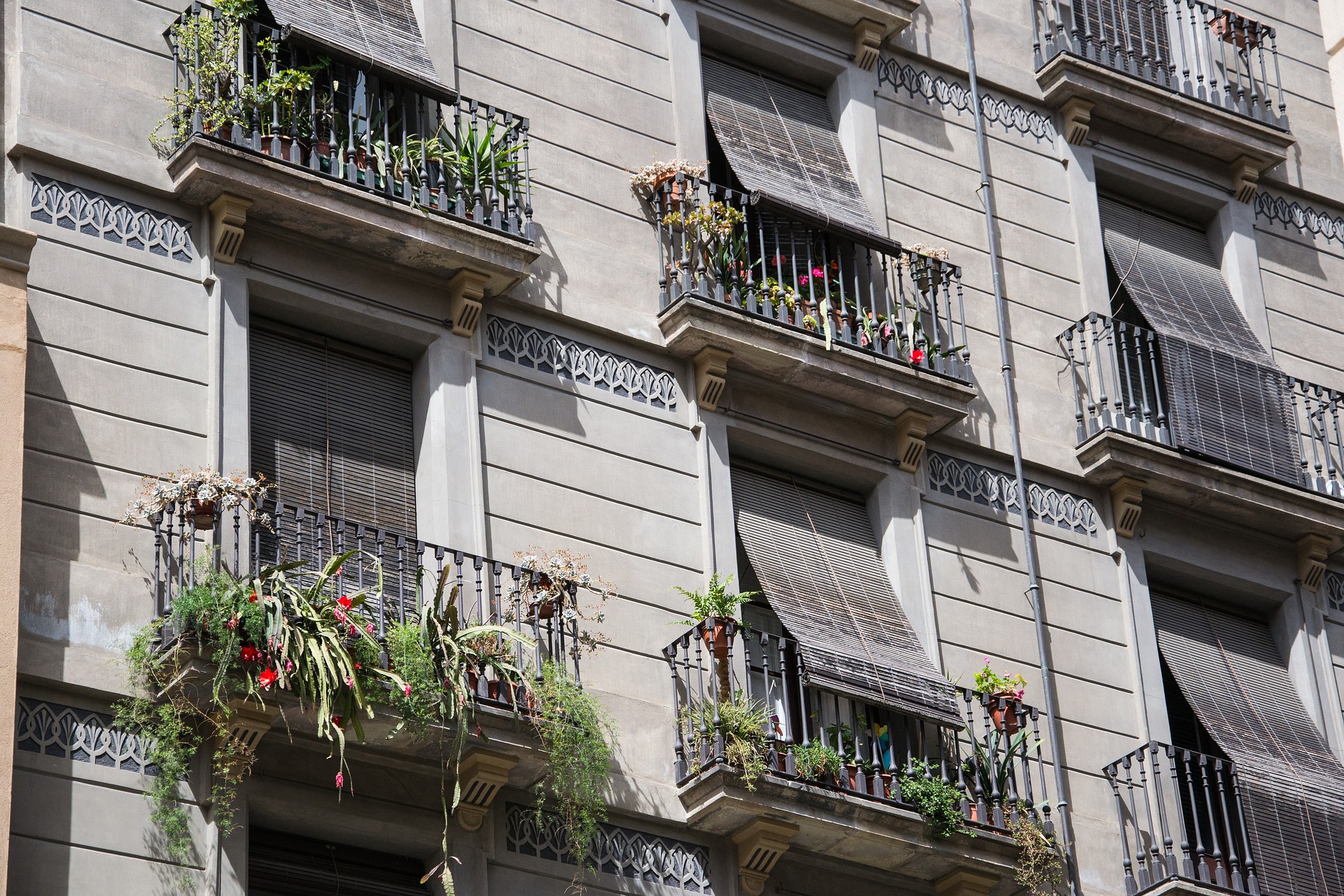
Maybe she’s right. Older apartment blocks seem designed around slower movement. Thick doors, wide staircases, heavy railings. Everything encourages you to pause slightly while moving through the space.
Modern buildings often replace that weight with lighter materials and automatic closers that manage the problem themselves.
Older ones rely on people remembering.
Living here long enough means you start noticing how the building responds to small habits like that. A corridor warms up because doors stay shut. Air moves differently when a window is opened for an hour. Pipes knock faintly when the heating system wakes up in winter.
The stairwell door slammed again just before midnight last night. Someone coming home late, probably balancing shopping bags or searching for keys.
The frame rattled, the echo moved down the stairwell, and then everything went quiet again.
For a moment you could almost imagine the building settling back into place, waiting patiently for the next person to remember that doors, like most things in old buildings, prefer to be handled gently.