It starts the same way every winter here starts. You don’t notice the cold first. You notice the water.
A thin line along the bottom of the bedroom window, like someone’s been very carefully watering the wall with a syringe. By the time you’ve clocked it, it’s already crept into the corner where the paint always goes first. Same corner as last year. You wipe it with a tissue. The tissue comes away grey and a bit gritty.
Pepi says it’s “just humidity”. Carmen says “open the windows more”. Manuel says his cousin can “fix that cheap” with something that sounds a lot like silicone and hope. The building itself says nothing, but it smells faintly of damp, old cooking, and the kind of cleaning product that never quite works.
Barcelona flats are very good at two things. Letting heat in during August. Letting cold in during January. Ours manages both at the same time.
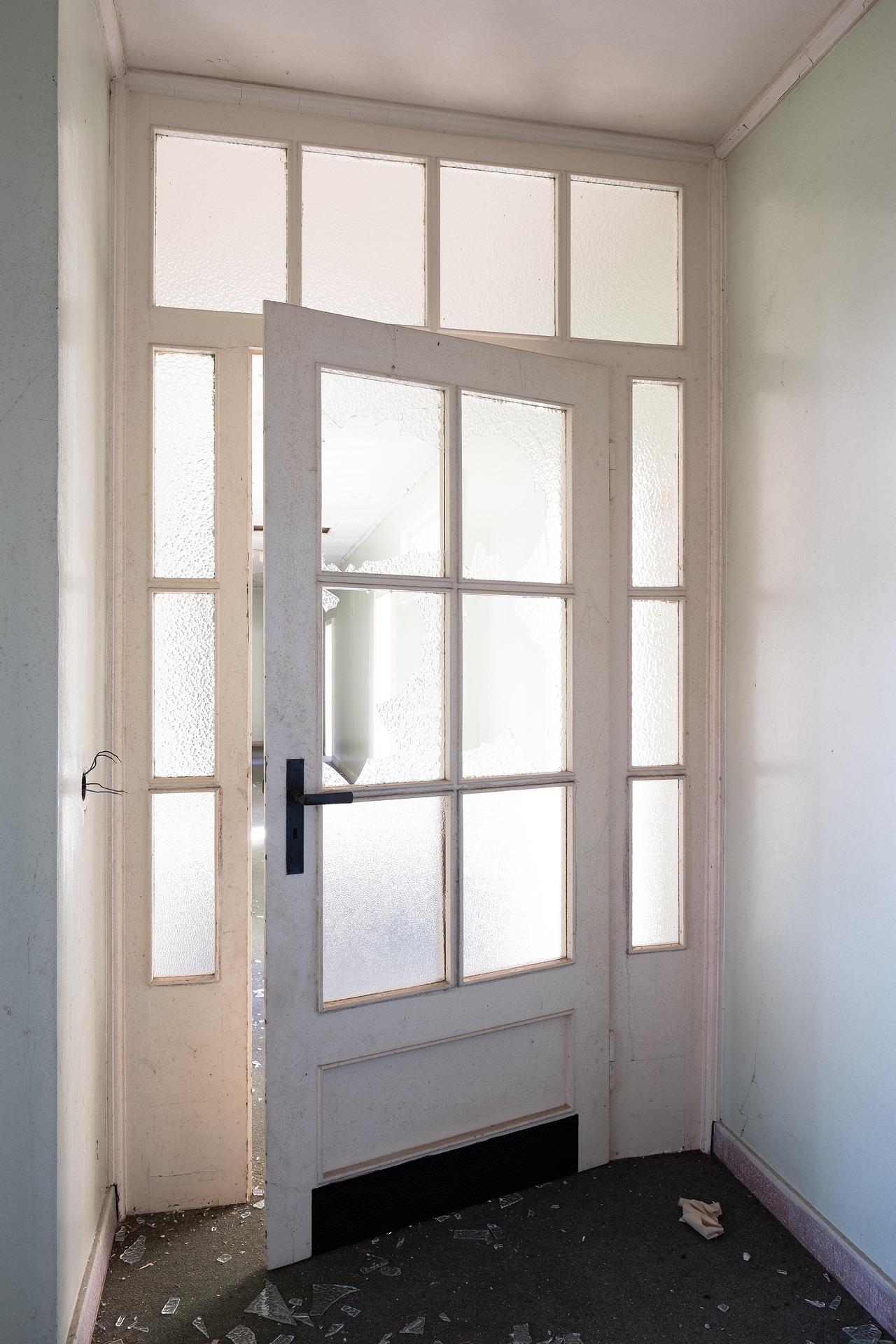
The windows are aluminium, probably from the Olympics, maybe before. Single glazing. You can feel the outside world through them, not in a poetic way, in a “why is there a breeze on my neck” way. When it’s cold, the glass turns into an indoor rain cloud. When it’s warm, it turns the bedroom into a greenhouse that would kill even the hardier plants.
This year the mould has stopped being shy. It’s not just lurking. It’s moving.
So I do the thing everyone does. I decide, one morning, that I am finally going to “sort the windows”.
This is always where things go wrong.
The first installer turns up late, looks at the frames, and sucks air through his teeth like he’s been trained to do it. Says double glazing is possible, but “not like this”, and that really we should change the whole window system. Mentions a number. I stop listening somewhere after the second zero.
The second installer never turns up at all, but sends a WhatsApp two days later saying “sorry, much work” and a voice note that sounds like he’s in a tunnel or a van or both.
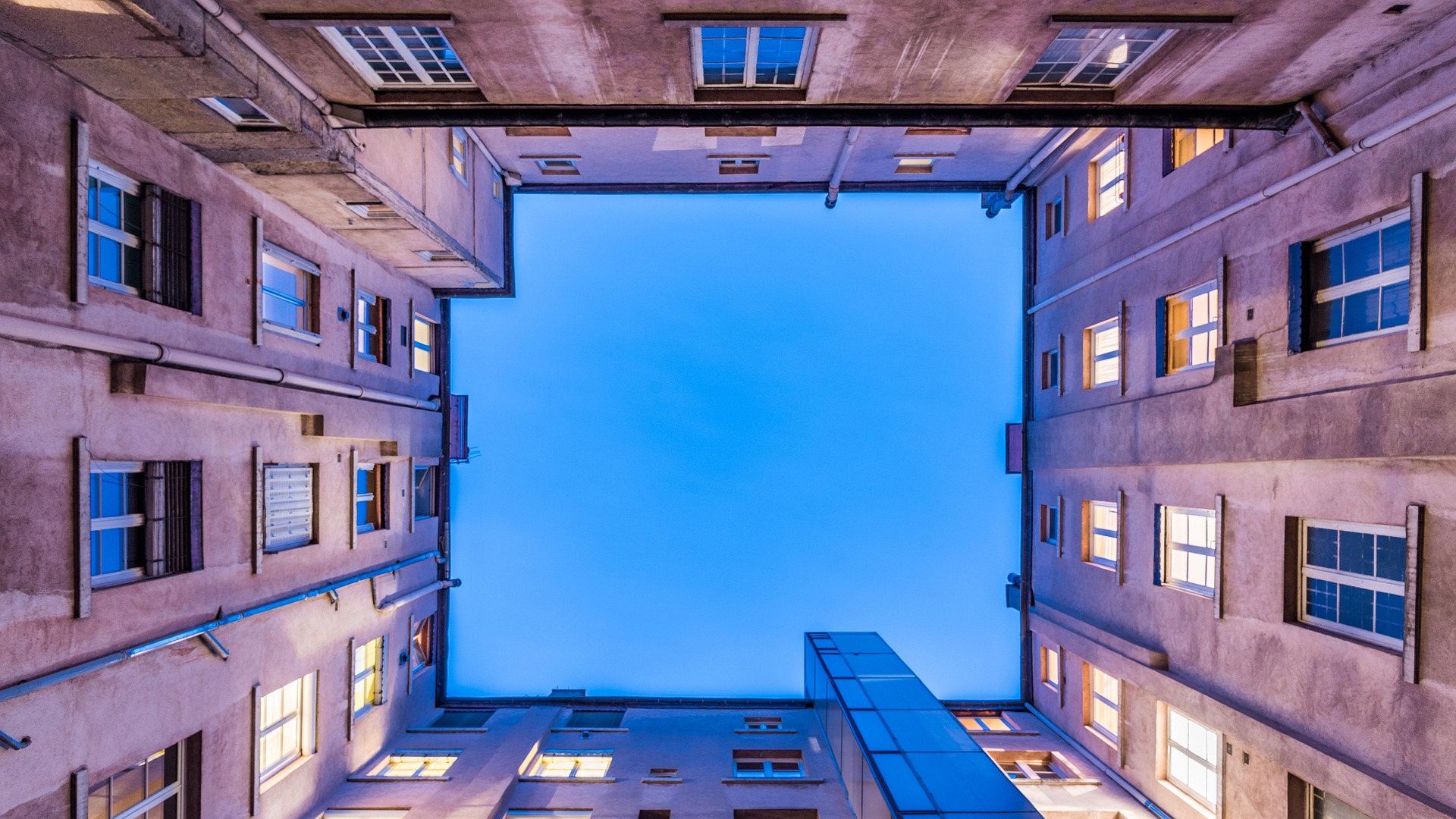
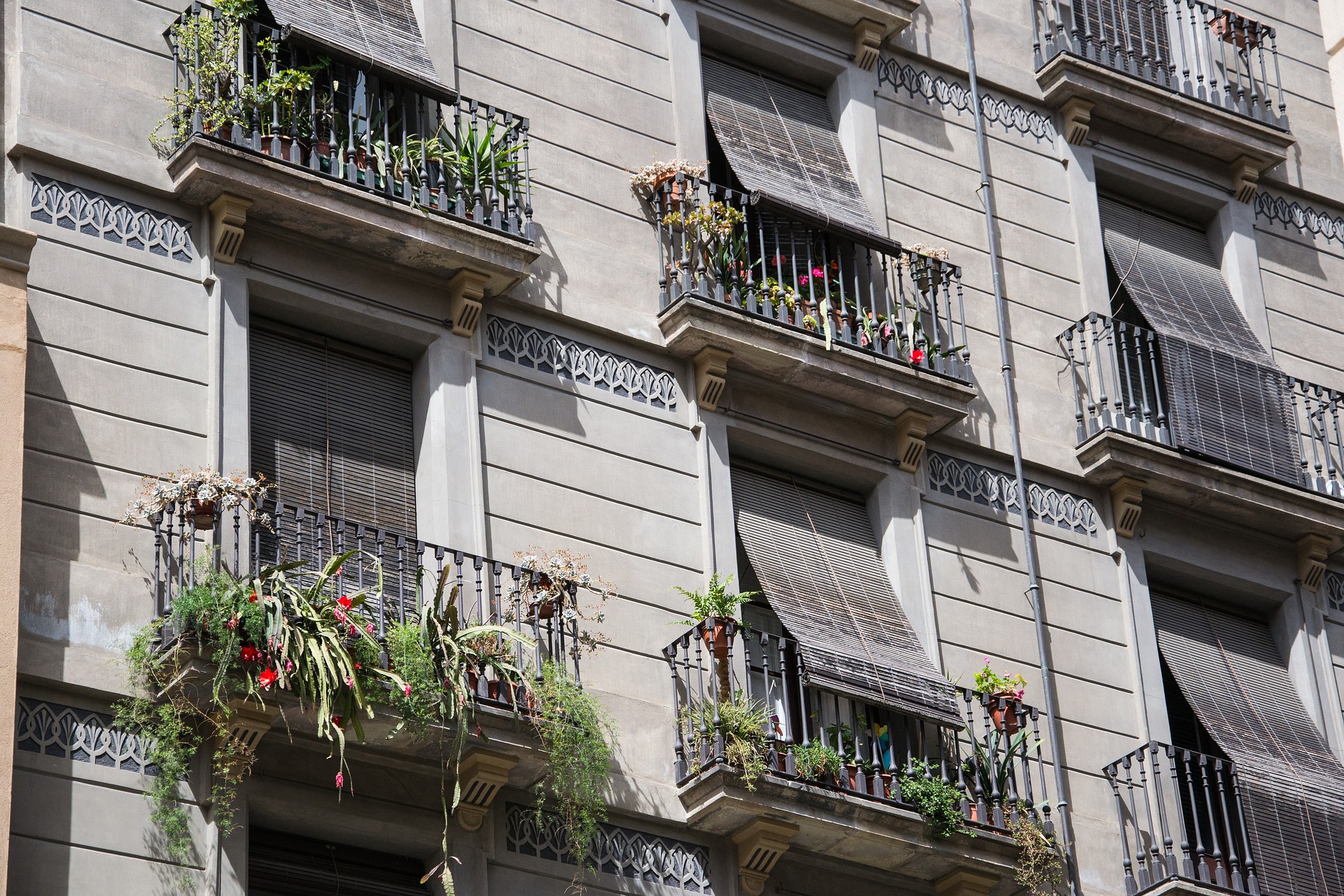
The third one does come. Measures. Nods. Says yes, thermal break, good idea, but the building might object because “the façade must remain uniform”. The façade, in question, is a collection of random awnings, three different shades of white, and one balcony that looks like it was enclosed by a man who only ever works with leftovers.
I ask him about the condensation on the inside of the glass. He says new windows will help, but might also make it worse if we don’t ventilate properly. I ask him how we ventilate properly. He says “open the windows”.
We are, apparently, very advanced.
Then comes the meeting.
The meeting is in the stairwell because nobody wants to host it and the lift is broken again. Pepi brings a folder. Manuel brings opinions. Someone brings up that if we change the windows, the outside of the building might “look different”. Someone else says their son did a course on energy efficiency and that “what we really need is insulation”. Someone else asks who is paying.
I point out, possibly unwisely, that the building is already paying in mould and heating bills and that the current windows are basically decorative at this point.
Carmen says renters shouldn’t decide. I remind her that half the building rents. She says that’s exactly the problem.
Someone suggests we all just seal the gaps around the frames. Someone else suggests dehumidifiers. Someone else says they’ve lived like this for twenty years and are still alive, which in this building counts as a strong argument.
Then the word “subsidy” appears.
Everyone leans forward.
Nobody actually knows how it works. Someone heard there’s money for changing windows. Someone else heard it’s impossible to get. Someone else says their cousin tried and is still filling in forms. Pepi writes something down. I suspect that note has a long life ahead of it without anything happening.
I have a brief, stupid flashback to Manchester. To buildings where you’d put in proper units and vapour barriers and nobody argued about whether the outside looked “different” because the outside was mostly grey anyway. There, sustainability was a box you ticked. Here it’s a family discussion that never quite ends.
We finish the meeting exactly where we started, except now everyone is slightly annoyed and the stairwell still smells faintly of damp.
Back in the flat, I wipe the window again. The mould has not been to the meeting. It does not care about façades or subsidies or who rents and who owns. It is extremely focused on its own plans.
We will probably do nothing big this year. Maybe someone will reseal something. Maybe someone will buy a dehumidifier and talk about it a lot. Maybe Pepi will send a message about a form.
I do one small, slightly cowardly thing. I buy new rubber seals for the worst window and spend an afternoon fitting them badly. That night there is still condensation, but less. The mould looks… put out.
It’s not a solution. It’s not even really a plan.
But in this building, that counts as something.
And anyway, if we ever do change the windows, we’ll need another meeting first.
The mould, I suspect, will not be coming.