
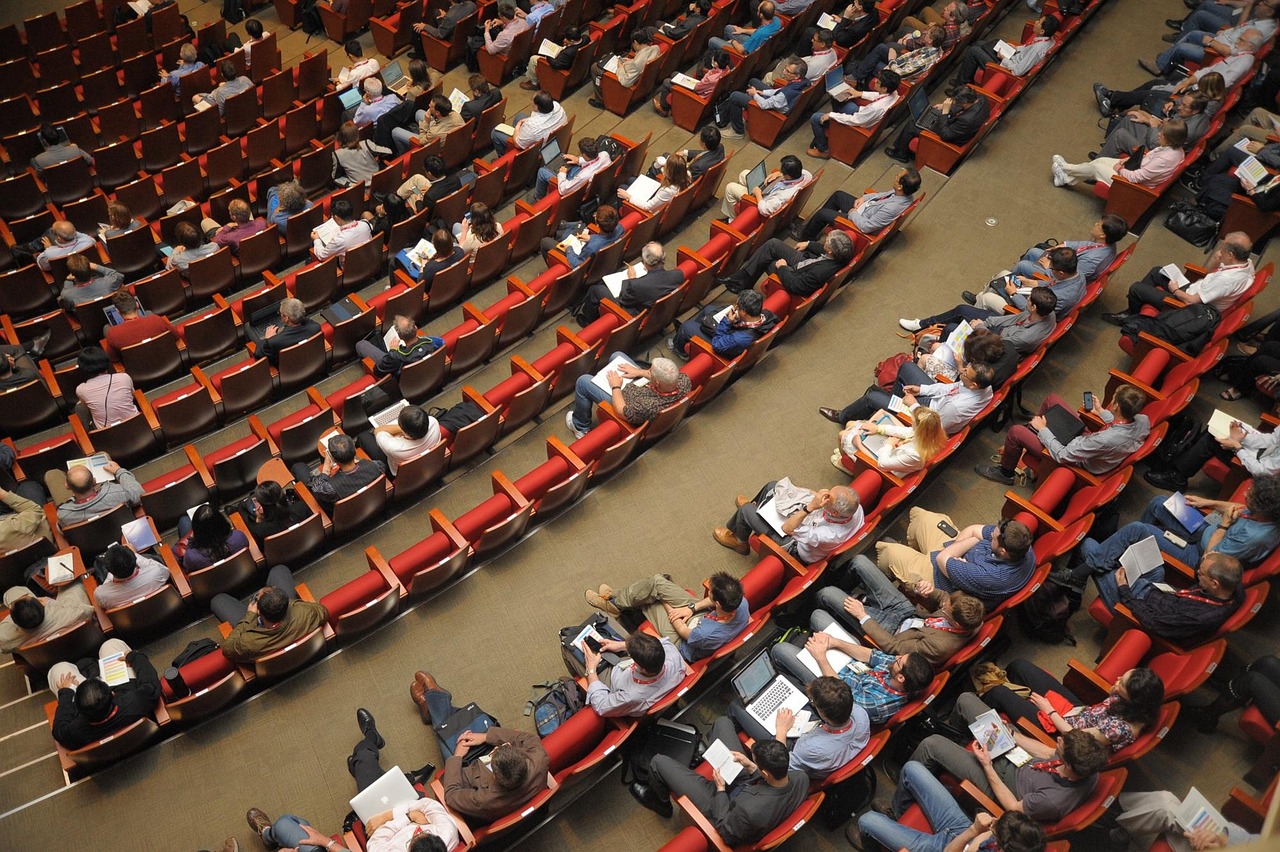
The last day always feels lighter than the first. Bags are already half packed. Conversations are shorter, more practical. People exchange details they genuinely mean to use, even if they know they probably won’t. There is a sense of closure that is comforting and slightly misleading.
By the time everyone leaves the building, the event is already becoming something else.
For a few days afterwards, there is a kind of echo. Notes get reread on planes. Photos surface in messages. Someone sends a follow-up email that begins with “great to meet you” and ends with an idea that felt urgent two days ago. For a moment, it all still feels connected.
Then real life resumes.
Most people return to full inboxes, existing responsibilities, and local constraints that did not disappear just because they spent a few days thinking bigger. The ideas they carried home have to compete with deadlines, budgets, and routines that are already set. This is not failure. It is the normal state of things.
What’s interesting is not how much gets done immediately, but what quietly stays.
Some conversations linger longer than expected. A question raised in passing resurfaces weeks later in a different context. A disagreement that never quite resolved becomes a useful tension. A contact made without clear purpose turns into a sounding board months down the line. These are not outcomes you can measure easily, but they are often the ones that matter.
Other things fade quickly. The language that felt fresh during the event can start to sound rehearsed once removed from the room where it made sense. Certain ideas only work when everyone shares the same reference points, the same energy, the same temporary suspension of reality. Once that shared space dissolves, so do they.
There is often an unspoken pressure to prove that something happened. To point to deliverables, partnerships, next steps. That instinct is understandable, but it can obscure what actually changes. Most shifts that matter are subtle. They show up later, sideways, in decisions that look unrelated on the surface.
Momentum is fragile. It doesn’t survive on enthusiasm alone. It needs translation, patience, and often a period of quiet where nothing visible happens at all. Expecting otherwise only sets people up for disappointment.
What happens after the conference ends is not a drop-off. It’s a redistribution. Energy disperses into different places, different timelines. Some of it is lost. Some of it settles. Some of it waits.
Paying attention to that phase, the unstructured, unbranded part, tells you far more about the real impact of a gathering than any closing statement ever could.